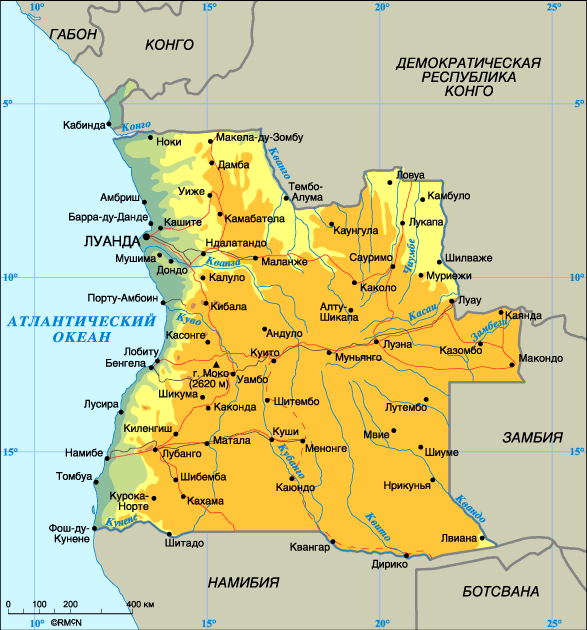
Angola is one of the biggest, and perhaps the most visual countries in South Africa. The former Portugal colony, it’s the price of extraordinary efforts to maintain its own independence and identity. Today, most of the population of this state are native: oviburd–37%, the amprode – 25% and the congo – 13%, but the Portuguese conquest here is not nearly one percent.
History
It’s interesting that the name Angola comes from the highest title in the Kingdom of Ndongo, which was once placed in this territory.
Scientists believe that the first ancient formation was still here in the 13th century before the Common Era! Since 1482, the colonizing area of Angola started, one of the most terrifying dates in the history of this state was 11 January 1758 — the first time the slave was born. Since 1900, the first revolt against Portugal began, eventually the national free fight was declared – November 11, 1975 – the People’s Republic of Angola.
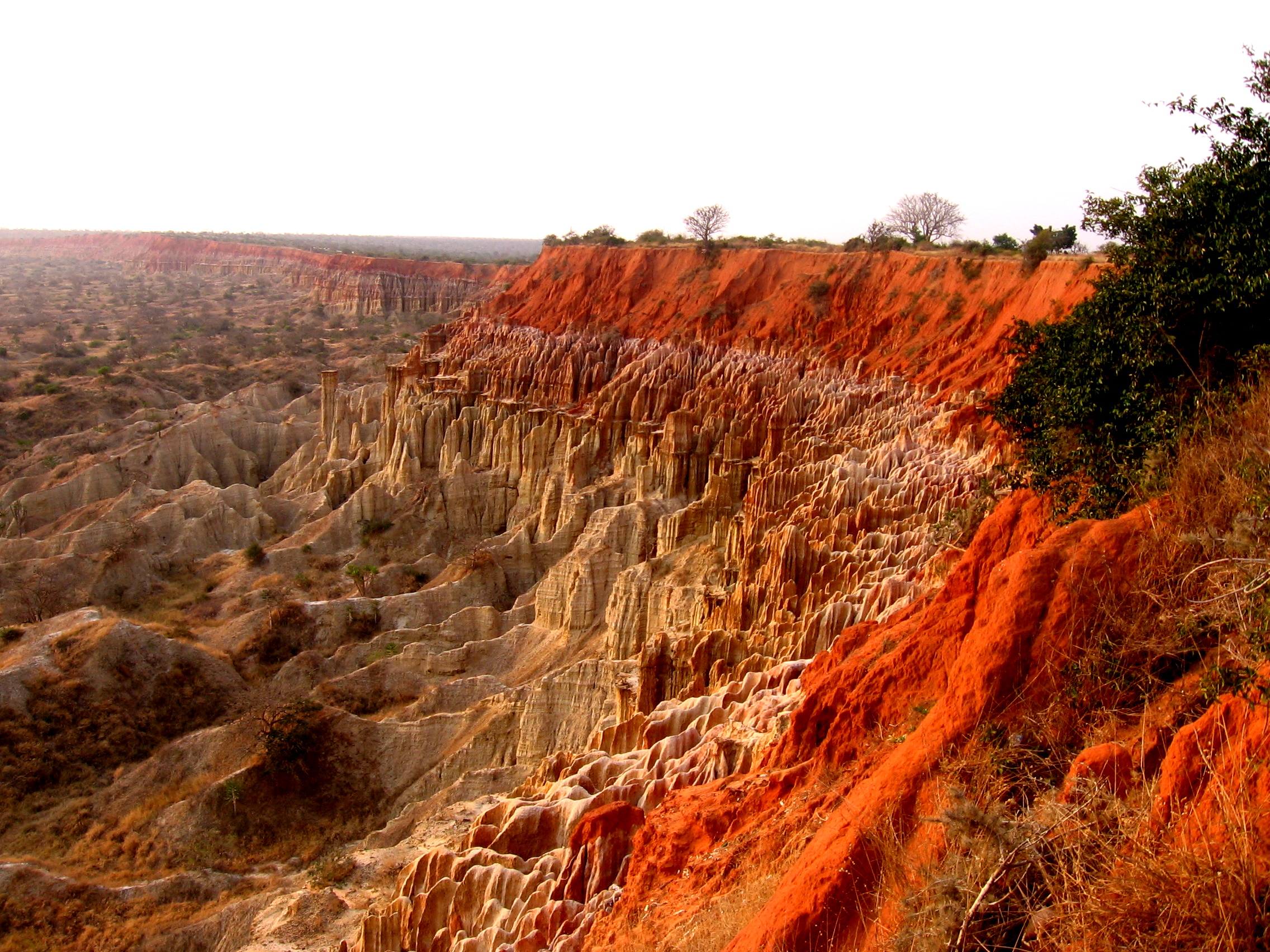
Nature
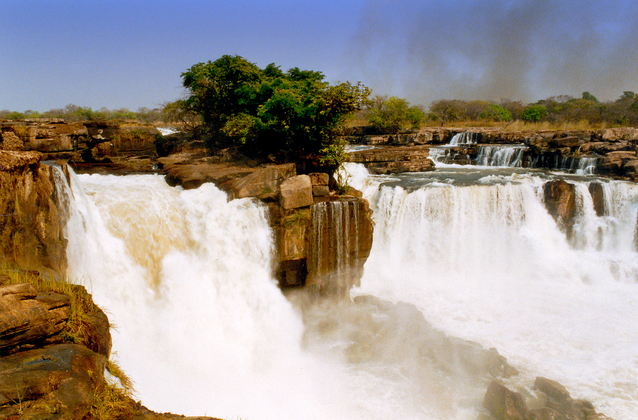
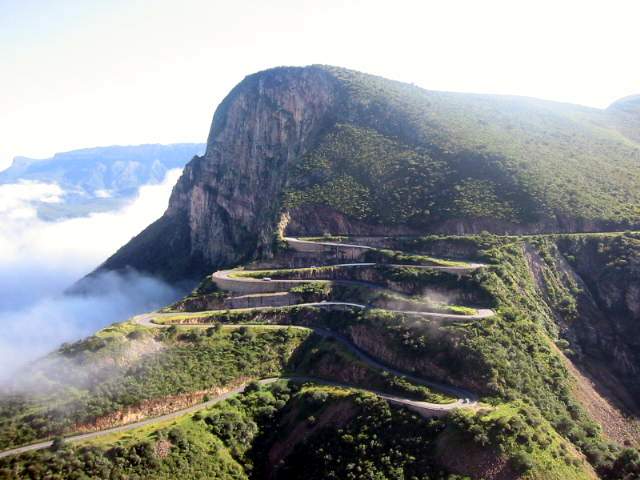
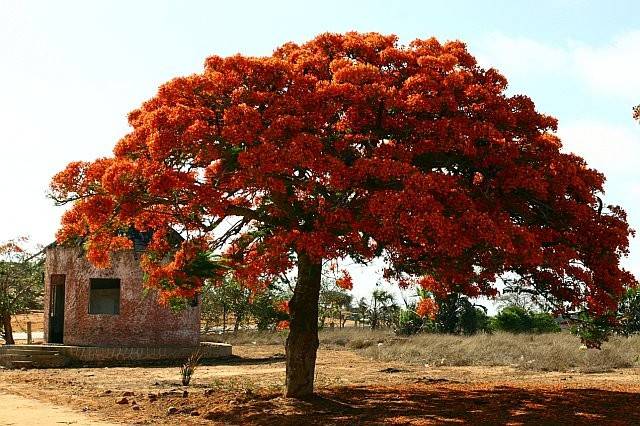
The subtleties and the semi-desert areas are so diverse in Angola. The Kalahari Desert in the South and the moist, almost inaccessible forests in the north, all of this creates a non-reimble colony.
Population
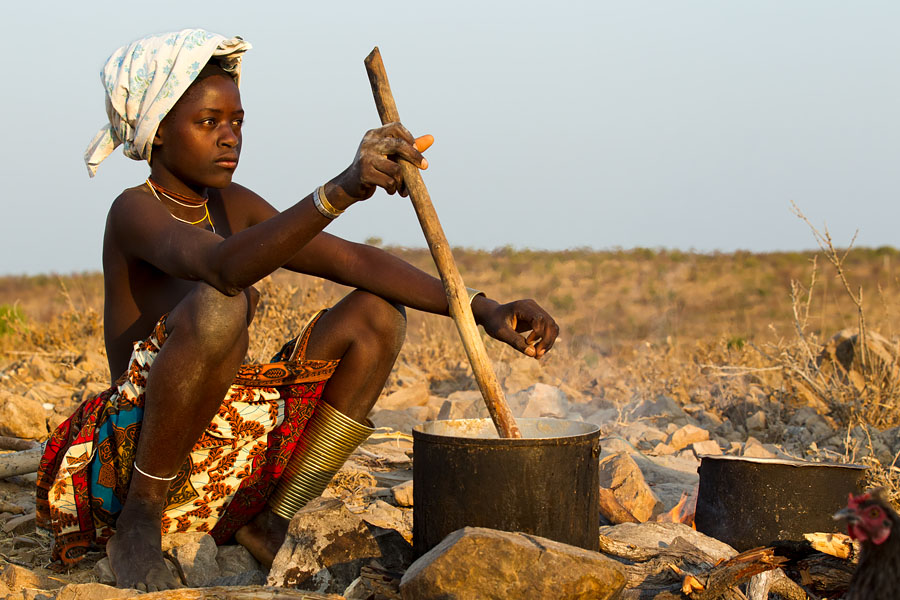
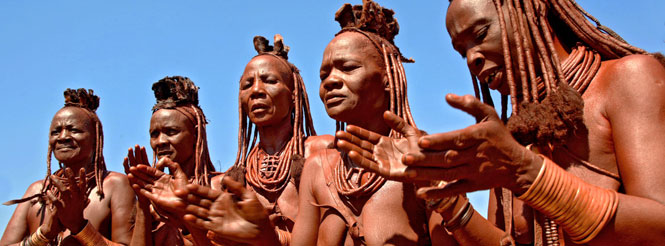
Most of the people of Angola are local ethnic groups who are struggling to preserve their traditions, customs and even language and religion! Although here you can speak freely in Portuguese as a state and about half of the population are ancient Christians.
Davis: “Virtuus Unita Fortior” (“Eternality provides power”)
Gimn: “Angola Avanté!”
Official language: Portuguese
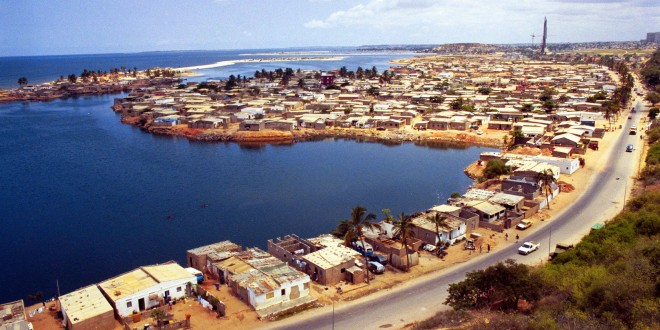
Capital Luanda
Currency: Kwanza