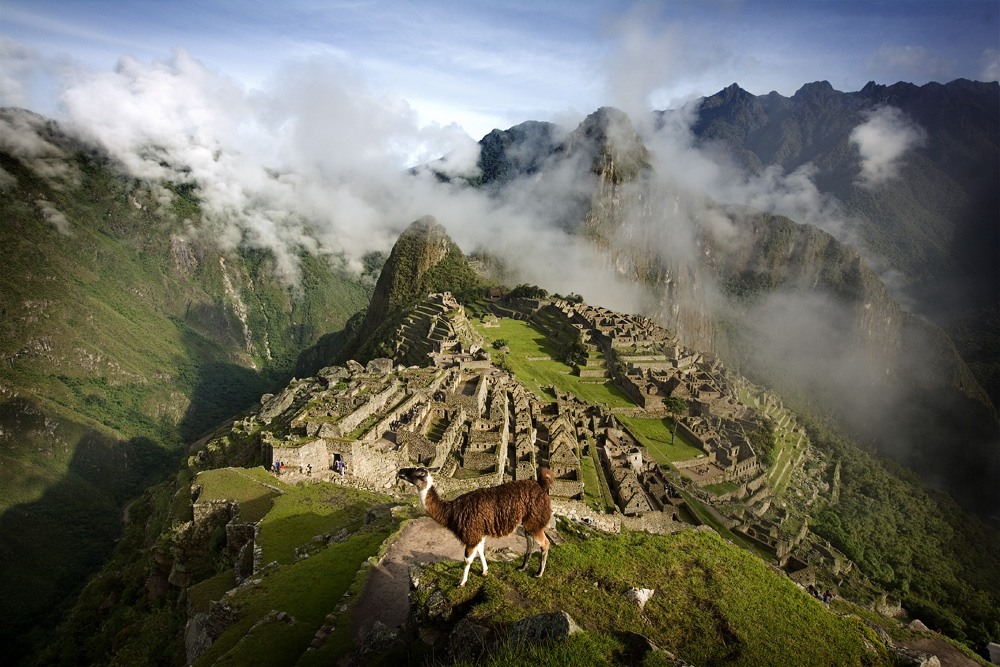
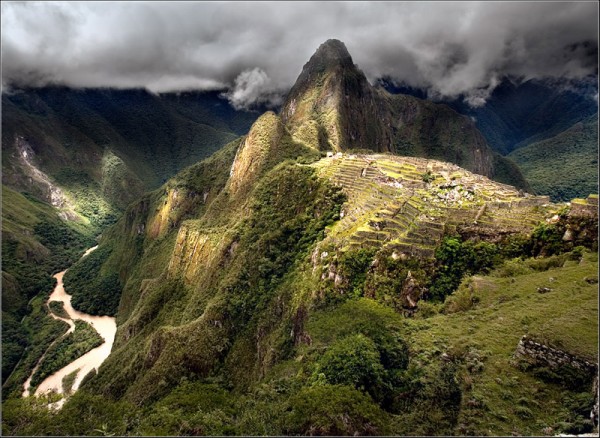
Mummy-Pixu (cache. Machu Paiku is the old peak, the vertex) – the most recognizable place of ancient ruinsEmpire Inkslocated above the Ubru River (Cusco, Peru) between the two mountain tops – Machu Picchu, the Old Pump) and the White Picku (Huayna Picchu, New Peak) at 2350 meters. One of the few legions of pre-Columbian Cities in South America, which was put on the list of the Universal heritage in 1983.
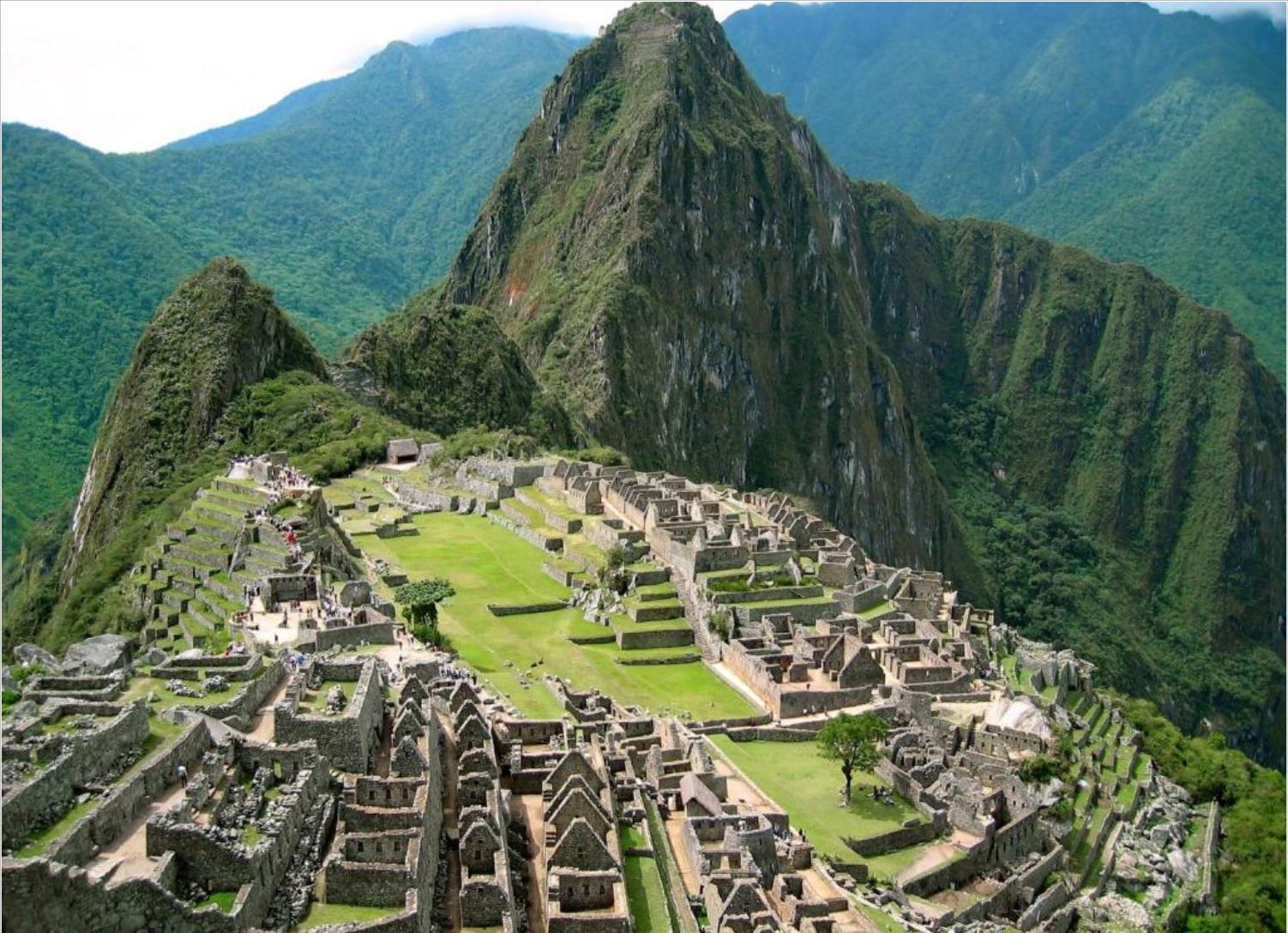
Mummy-Pixuit’s called “city in heaven” or “a city among clouds,” sometimes (false), “lost city of Inics.” Some archeologists believe that it was created as a sacred mountain shelter, a great rulerPapacoturover the centuries before the empire was conquered, which is about 1440, and was functioning until 1532 when all of his inhabitants disappeared.
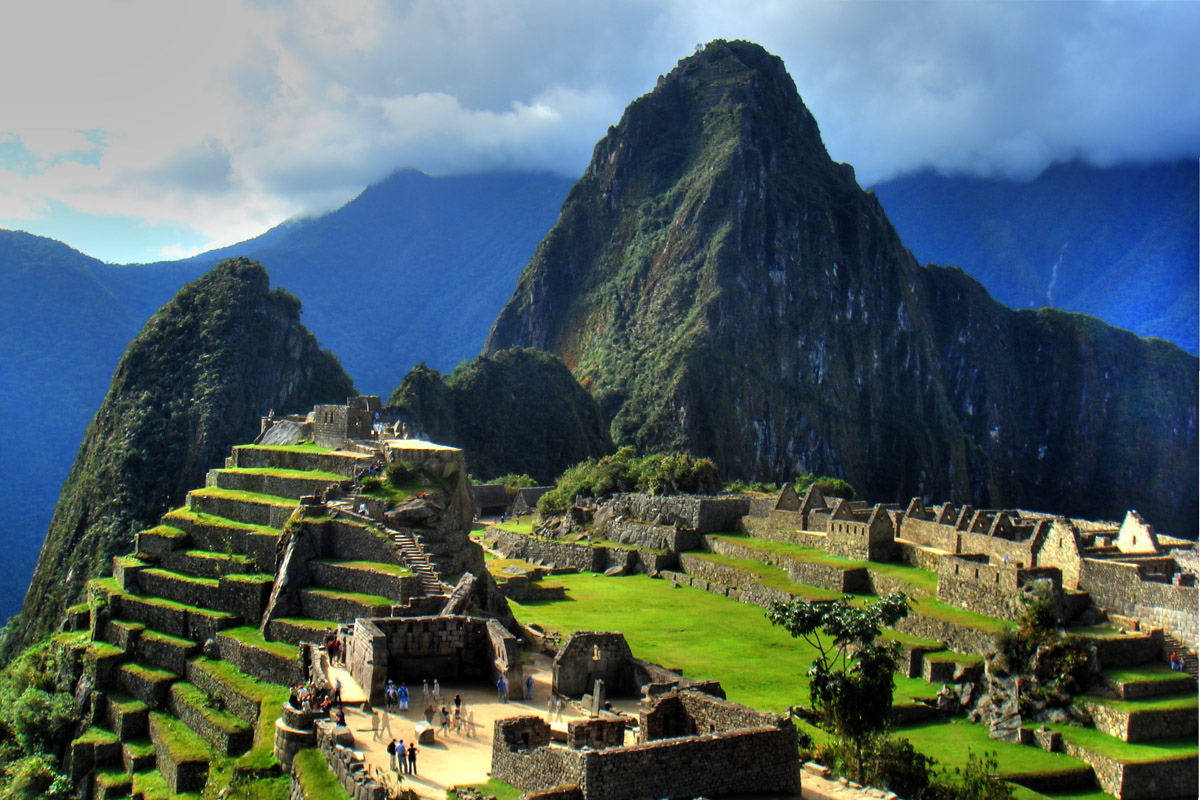
EmperorPrecipitationfoundedMummy-Pixuas a symbol of his power and undefeated as his residence. The city had no more than 200 buildings, among which were mostly temples made with thick-headed tiles. Making a city at a high-quality city — at first sight, a strange solution, but as it turns out, the position is strangeMummy-Pixu– not an accident. The city is on the crossroads of multiple tectonics. The number of earthquakes weakened the mountain by a rock that allowed the cataclysms to be able to mine the stone that they wanted for ancient buildings. In addition, tectonics helped other people collect water. Tala and rain water flowed down into the valley, along the rubble.
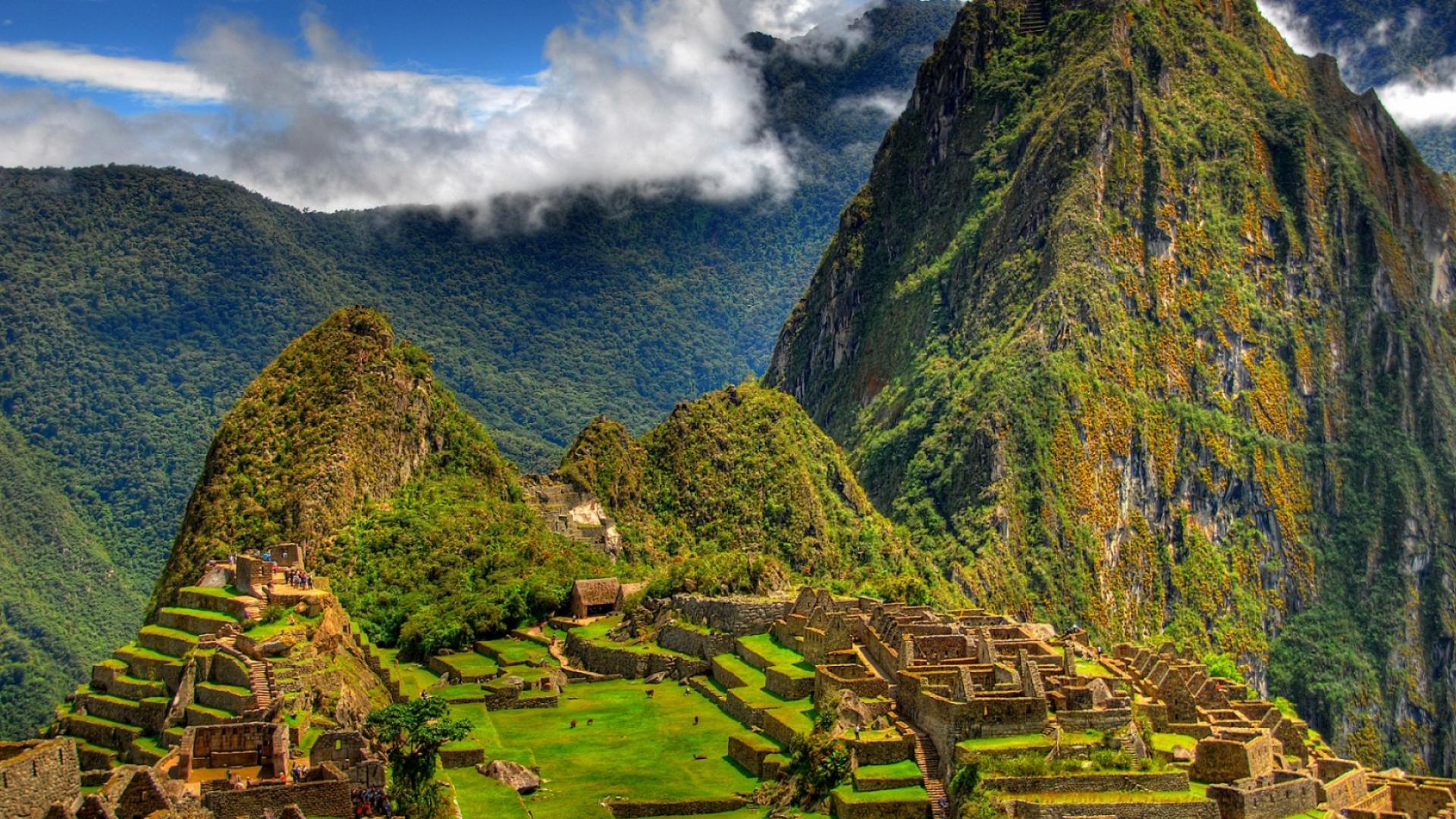
Over 400 yearsMummy-Pixuit dropped and turned into a real wasteland. Just in 1911, an American researcher from Yale University, professorHiram Bingoi got there with the local warden.
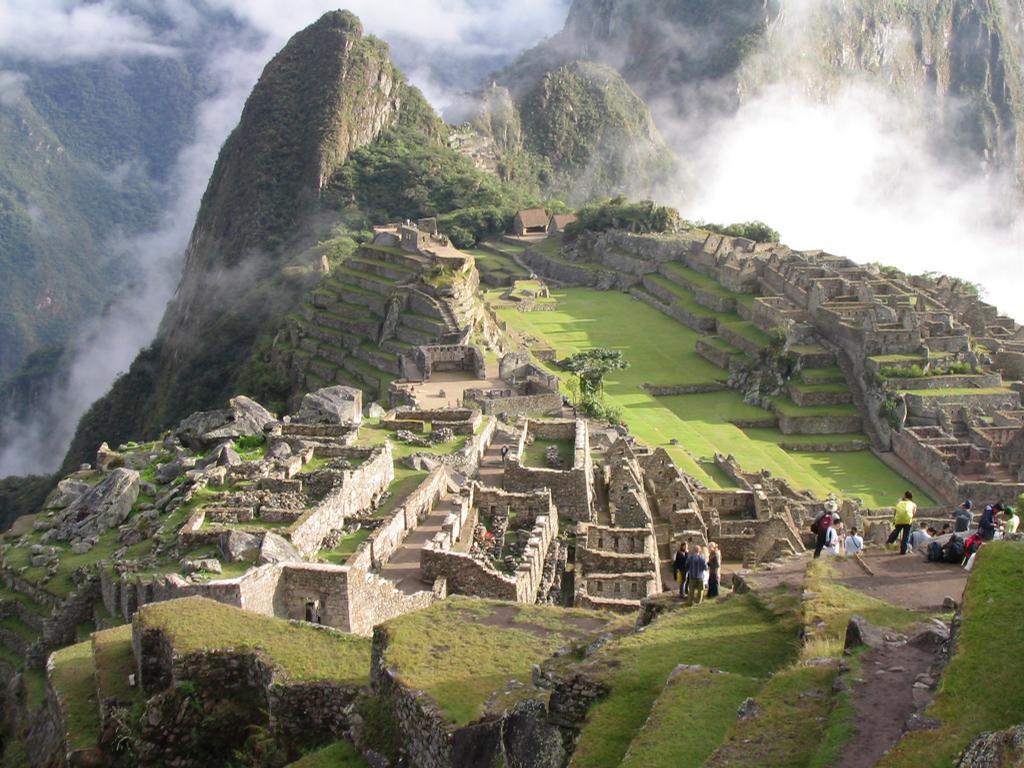
The mother-Picks have a very clear structure. The south-east complex building. From which they were folded, they were worked so carefully, that you could say, well, they were built by the wrong masters who made other buildings.
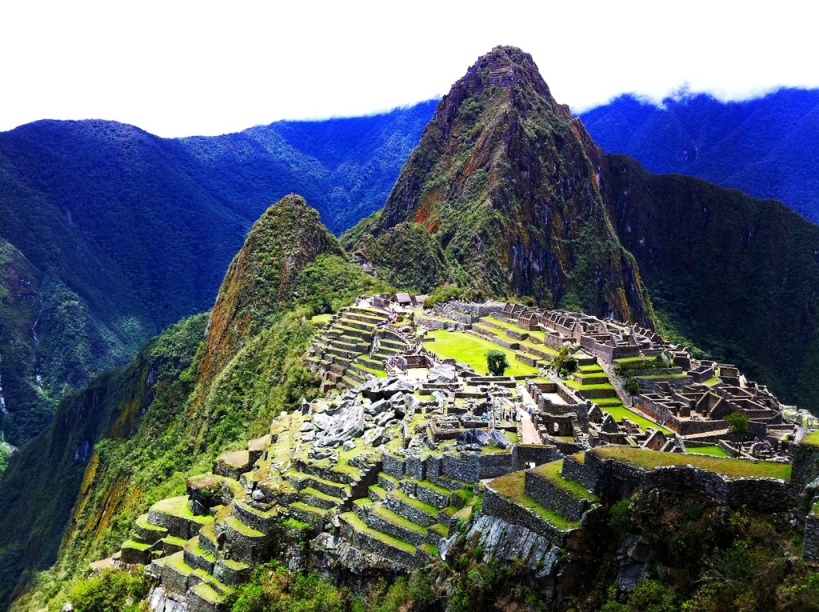
In the west part there is a main temple with an altar for sacrifices. The opposite is the housing block, tightly built by two-story houses. Between them, like in a maze, you have narrow streets that often lead to a stalemate, or just a little bit above the chasm.
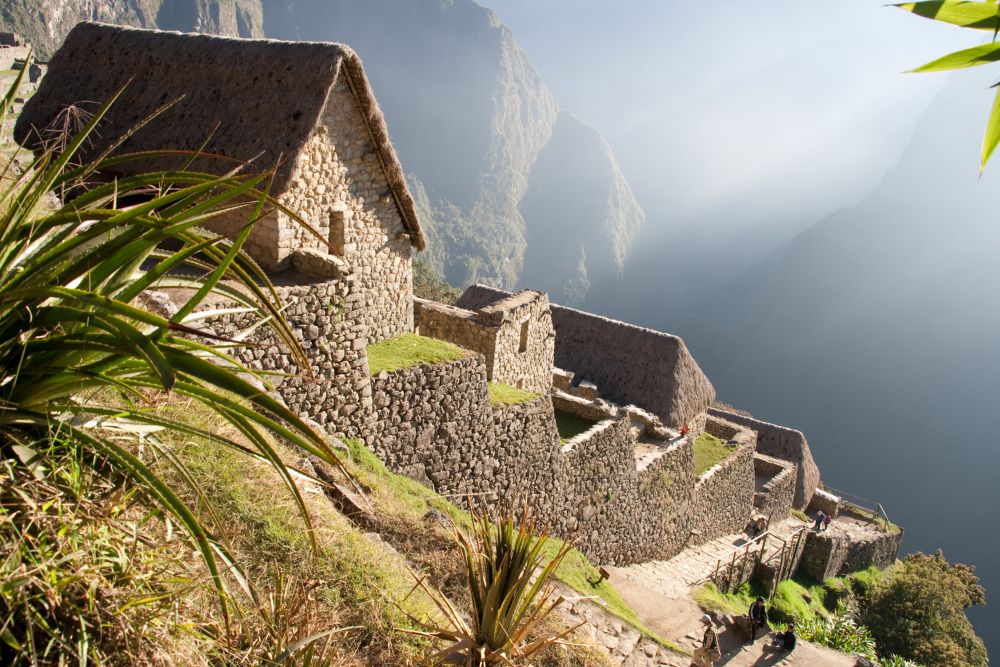
The Spanish Conquistadres were never able to reach Macha-Picku because of this town they didn’t destroy. We don’t know the purpose of its construction, nor the exact number of citizens, nor even its real name.
The American researchers Richard Burger and Lucy Salazar from the University of Yale, based on the materials of the Spanish chronicle of the 16th century, made the assumption that this was the Easter House. In summer, during the rain season, there were probably no more than 200 people in the city. Later, after the collapse of the Indian empire, the city lost its value, and the lodgers left it forever.
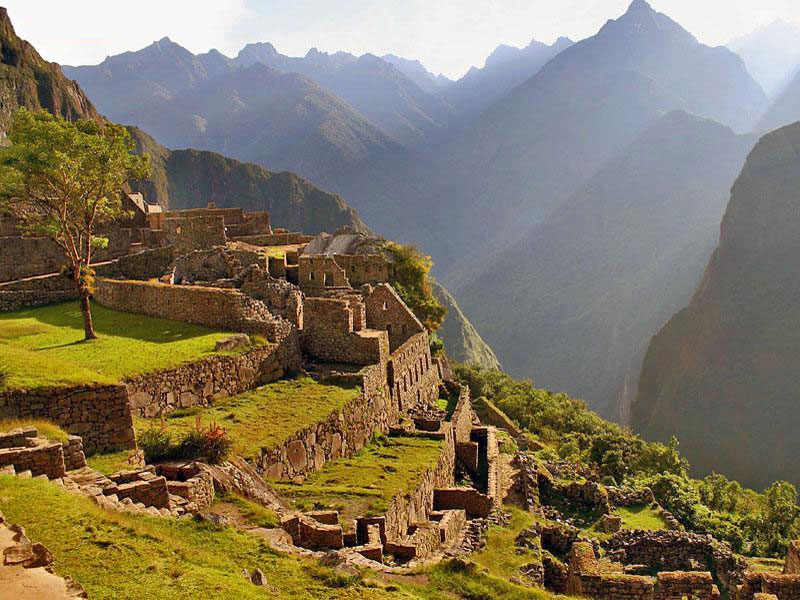
On the southeast side of the Machku Pinkow, two great constructions that Bingham thought of as the work of “master artists,” semi-circular towers attached to it.
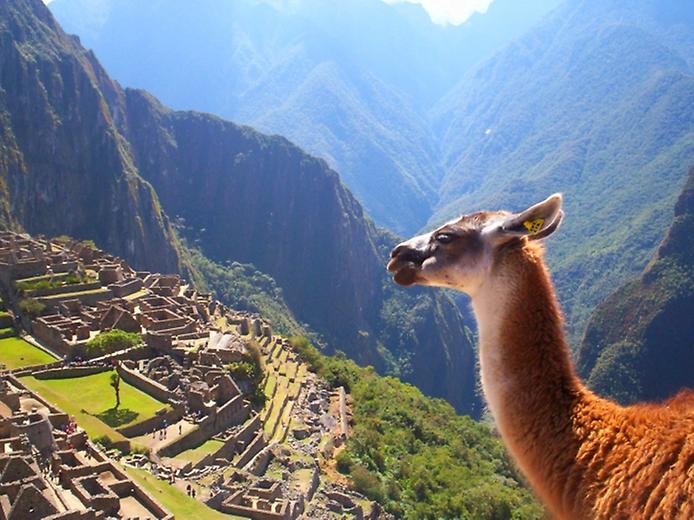
By matching this tower with the smoke of the Sun in Cuba, it got the same name. The structure made up of towers and adjacent buildings, served at the same time, and a little reinforcement, and a sanctuary. The tower was rendered around a huge piece of natural rock, which was then covered and turned into an altar. There’s a coffin below the tower. Bingham assumed that he had buried the Indian ruler mummies, but scientists think he was likely to be serving a ceremony for some ritual action, the more that the sacred Indian cross was detected by Chuck. Even now this complex strikes its beauty and its extraordinary architecture, what to say about the time it was built. The events in front of the princess’s house lead to a tower where a beautiful view opens on the valley that was thrown downstairs. A window from which you can see all this earthly beauty was probably used by priests to watch the sun move.
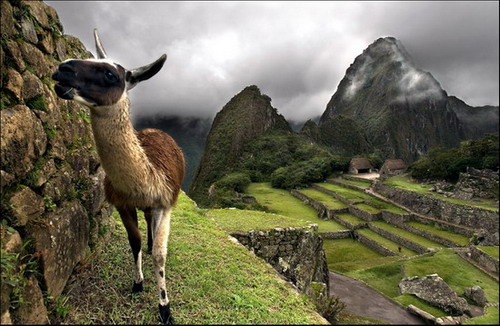
Up to the west wall of the great temple, there’s a small closed room built, called “decorated rooms,” which is a clear evidence of extraordinary skill of the Indian canophony. Perhaps the most attractive of all the Mashupk buildings are the temple of three windows. His name is related to three weird windows that form tractions and go east, on the sides, the blind windows, the same sizes that might have been served by the foot. If you believe the local historical chronicle, the first ruler of the Incans told you to build a temple in the place where he was born, in Tubo-Tokyo, where there should be three windows in it that represent the caves, “the house of his ancestors on the line where he leads to his own origin.” Unfortunately, this legend is hardly true, because the architectural style of Mahicum corresponds to a more late period.
You can get from the Holy Square, which is true, with great difficulty, to the top of the rock, where there’s a huge multi-square stone called “Intiaan,” or “place where the sun is tied (in the translation” the sun “means” uata “-” bind “). Bingham assumed that the notes were symbolic” bound “the sun, so that it wouldn’t escape them during the winter solstice.” Those priests, “he wrote — that could be twenty-first or twenty-second June stop the sun’s movement and” tie it to a stone pole in one of the temples, used by the Inks to have a special respect and respect. “.
This extraordinary stone-driven rock could be the solar observatory where the priests defined time better for the beginning of the villages or harvesting crops, tears from the sun during the fall and spring equinox. In this case, the priests would fall asleep a stone of flowers and grass, including in the ‘Tori’ — June and gross were made of beautiful holy sun. People of Machal, they were probably going near “Intivatan,” where for a few days there were religious rituals with deity statues, singing musical harmony with hymns and praying.
The road with the Mashupa Pike in Cusco is a great example of the art of foreign builders. Even during the rain season, the road is good. The whole empire was engulfed by a wide network of communications, about 40,000 km. The roads in the government had to, first of all, a strategic significance — they had to run the troops. And they also encouraged the cultural exchange between all of the states. Thanks to roads, people studied in the same art of ceramics, textiles, architecture and construction.
The horses didn’t know the wheels, and the mountain roads most often were rousing. The ones that traveled across the Pacific Coast were specifically naked on either side of the clay walls that protected from the sun and the wind and the sandings. If there was a swamp in the way, it was a rape. To travel across the river, they would build stone and flip out the hanging channels, which were considered sacred objects — someone who would harm cities waited for death.
To build a city so uncomfortable to build a place, we needed incredible mastery. And the engineer, Kenneth Wright, and archeologist Alfrid Valencia Sargry, over half of the effort to build, went to prepare the site, the drainage and work on the foundation. Small walls and intertwating terraces have held the city for over 500 years without allowing it to fall off the rock card.
The legacy of the ancient cultures, and today they believe that Macachu-Picch is a symbol of their relationship with the great civilization of the past, part of the story that the invaders could not erase from memory.
Modern State
Machag, especially after receiving the status of the World Sputnik, UNESCO became the center of mass tourism. There are about 2,000 tourists visited on the day of the city; in order to preserve UNESCO’s memory, they need to cut it down to 800 a day. And that’s the important part of the region. For the support of tourism, it was built on a road to the neighboring city of Aguassa-Kaliga. From the Aguassa-Kagerz train station to Maacha-Pick, a bus that travels eight kilometers in a cool serpantine. UNESCO agreed to build channels to limit tourists. As a result of the earthquake in 2004, some railroads were severely affected, but then they were restored.
She saved the original flow of Inks to Mashuk-Picku along the Ubru River through a few advantages that require a few days of road.
On the 35th and session of the World Embassy, UNESCO has decided that the ancient city of the 1st February 2012 will be excluded from the list of objects in the World heritage that are at risk. The committee also refuses further action to improve the city state.